

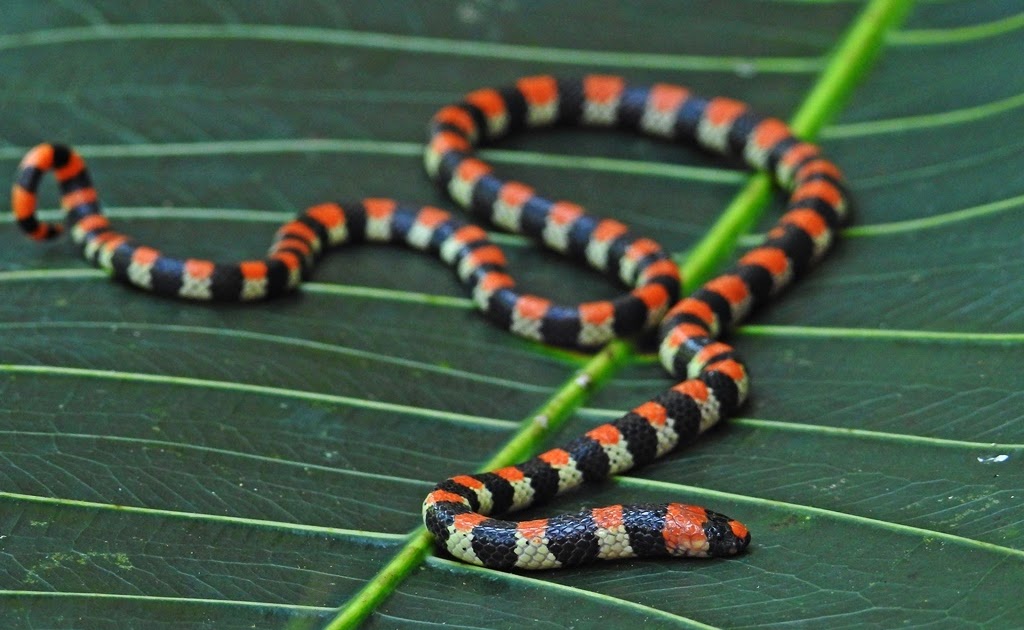
Thirty-one species of Micrurus (coral snakes) are distributed in Colombia. However, functional and proteomic analyses of their venoms have only been performed on six of them. Micrurus camilae is endemic to Colombia, and no information exists regarding its venom. The proteome of M. camilae venom, its biochemical and toxic activities, immunorecognition, and neutralization by commercial equine antivenoms and an experimental one prepared in rabbits are here reported. In addition, the phylogenetic position of M. camilae within the genus was explored. The venom was characterized by RP-HPLC, SDS-PAGE, and nESI-MS/MS, and functional analyses were performed using in vitro (proteolytic, coagulant, phospholipase A2, and L-amino acid oxidase activity) and in vivo (myotoxic, edematogenic, hemorrhagic) assays. Immunorecognition and neutralization were evaluated using ELISA and mouse lethality, respectively. To determine phylogenetic relationships, sequences of the mitochondrial ND4 gene from 48 Micrurus species were analyzed. The venom proteome revealed a PLA2-rich phenotype and identified 17 protein families, the four most abundant being PLA2, LAO, 3FTx, and MP. The myotoxic and hemorrhagic activities observed in mice correlated with the relative abundance of PLA2s and MPs, respectively. Furthermore, the i.p. lethal effect in mice was associated with only one fraction, a 3FTx. Two commercial equine antivenoms (INS-anticoral and ICP-anticoral) immunologically recognized both the whole venom and the chromatographic fractions by ELISA. However, they did not neutralize venom lethality in mice in a preincubation assay. On the other hand, the experimental rabbit antivenom was shown to recognize the whole venom and its fractions and, although it did not completely neutralize lethality, it prolonged mouse survival by several hours compared to the venom-only control. Our phylogenetic hypothesis showed M. camilae within the mipartitus group as a sister species of M. mipartitus.
Gómez-Robles J, Rey-Suárez P, Fernández J, Saldarriaga-Córdoba M, Sasa M, Lomonte B, et al. (2026) First characterization of the venom of the endemic coral snake Micrurus camilae (Serpentes: Elapidae) from Colombia: Proteome, toxic activities, immunorecognition, and neutralization by antivenoms. PLoS Negl Trop Dis 20(2): e0013941.