

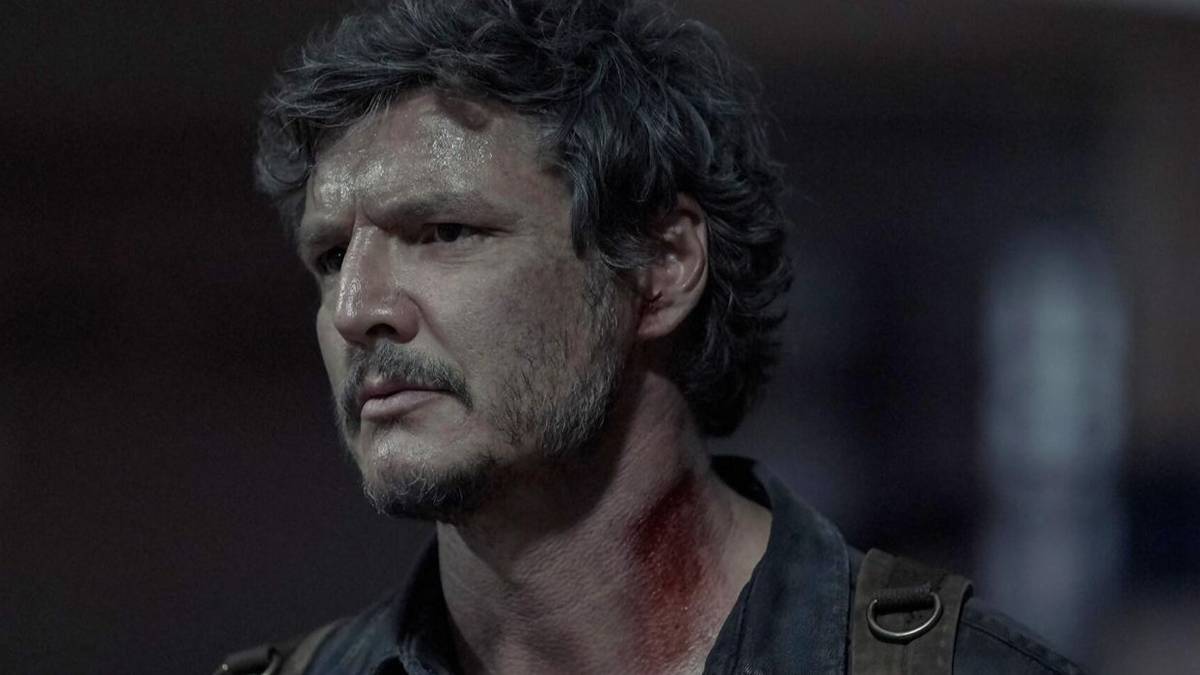
Red Dead Redemption has always been misunderstood as a power fantasy because it wears the costume of one. Guns, horses, open land, and the illusion of freedom suggest a familiar Western myth, but the series spends dozens of hours methodically dismantling that fantasy until there’s nothing left but its consequences. Strength doesn’t save you, loyalty doesn’t protect you, and the world does not pause long enough for regret to matter. What makes Red Dead Redemption such a powerful adaptation candidate is that it doesn’t exist in isolation. Its prequel, Red Dead Redemption 2, reframes the entire saga as a tragedy told in reverse — first showing the slow moral awakening of a man doomed by modernity, then following another who survives just long enough to learn how meaningless that survival is. That’s why Red Dead Redemption feels like the most natural successor to The Last of Us in HBO’s adaptation lineage. Not because it’s violent or bleak — plenty of games are — but because it understands something most adaptations avoid: history doesn’t reward morality. Redemption here isn’t forgiveness. It’s recognition, and recognition comes too late to change the outcome.
‘Red Dead Redemption’ Is About the Death of the Frontier and the Men Who Believed in It
At its thematic core, the Red Dead series is about obsolescence. Not heroic downfall, but bureaucratic erasure. In Red Dead Redemption 2, Arthur Morgan lives in a world that is already closing in on itself. The frontier myth is rotting from the inside, and Arthur’s tragedy is not that he fails to escape it, but that he becomes lucid enough to understand how thoroughly the future has already rejected him. Arthur is not undone by a single betrayal or final shootout. He is undone by time. Railroads cut through the land. Contracts replace handshakes. Violence becomes labor: repetitive, numbing, and physically corrosive. His illness isn’t a metaphorical flourish; it’s the bodily cost of a life spent extracting meaning from brutality. The game forces the player to sit with that decay, watching Arthur’s strength turn into limitation rather than power.
By the time Red Dead Redemption begins, that world has already ended. John Marston inherits its aftermath. Where Arthur gains awareness without survival, John is offered survival without freedom. He is allowed to live, but only conditionally — drafted into service by the very systems Arthur saw coming. John’s story is about the lie that obedience can buy absolution. The government doesn’t need John to be redeemed, it needs him to be useful. Together, the two games form a closed loop. Arthur understands the trap too late to escape it. John understands it just in time to be crushed by it.
Violence Isn’t the Point — It’s the Cost

Unlike most action-driven narratives, Red Dead Redemption refuses to treat violence as escalation. Killing doesn’t widen the world; it shrinks it. Every gunfight leaves fewer options, fewer allies, and fewer illusions. Reputation becomes something the player can influence but never fully control. In Red Dead Redemption 2, Arthur’s journal entries chart the internal consequences of violence long before the story demands reckoning. His moral shift doesn’t save him — it clarifies him. In Red Dead Redemption, John’s violence is framed as a transaction: kill for us, and you may keep what little life you’ve built. The promise is hollow, and the game never pretends otherwise. This is where Red Dead aligns so cleanly with HBO’s strengths. The Last of Us trusted audiences to sit with discomfort, to accept that some stories end not with triumph, but with truth. Red Dead Redemption demands the same patience. Its most devastating moments are quiet ones — moments where characters realize that doing the “right thing” doesn’t undo the harm already done. Any adaptation that treats the series’ violence as anything other than consequence would miss the point entirely.

‘Fallout’ Season 2’s Most Disturbing Moment Reveals What the Show Is Really About
The most unsettling idea in the series finally takes center stage.
The Characters Already Exist Because Performances Made Them Real

One reason Red Dead Redemption feels so ready for prestige television is that its characters are already fully embodied. Rockstar didn’t rely on voice acting alone; the series was built with full performance capture, and that labor is inseparable from why these characters endure. Roger Clark’s performance as Arthur Morgan in Red Dead Redemption 2 is foundational. Arthur’s physical heaviness, his restraint, his gradual emotional exposure — these aren’t just written traits. They live in posture, breath, and silence. His moral fatigue is visible before it’s spoken. That physicality carries forward into Red Dead Redemption through Rob Wiethoff’s John Marston, a man defined by discomfort rather than swagger. John doesn’t move like a legend; he moves like someone who knows he doesn’t belong anymore. Meanwhile, Benjamin Byron Davis’ Dutch van der Linde embodies the series’ central delusion — a man whose ideology curdles into narcissism as the world stops validating it.
Any serious live-action adaptation should begin with respect for these performances, not erase them. HBO has historically prioritized actor-driven storytelling, and Red Dead Redemption is a rare case where the blueprint already exists. That’s why even peripheral casting conversations — including Jeffrey Dean Morgan expressing interest in portraying Arthur Morgan — resonate so strongly. Not because they’re definitive, but because the emotional register of these characters is already legible. They feel like people because they were played as such from the start.
The Natural Heir to ‘The Last of Us’

The Last of Us proved that video game adaptations don’t need to soften their themes to succeed. Audiences will follow a story into bleak, emotionally punishing territory if it’s told with confidence and restraint. Red Dead Redemption goes even further. Taken together, Red Dead Redemption 2 and Red Dead Redemption form a complete elegy — one about recognizing a dying world, and one about being forced to survive inside its corpse. This isn’t a story about saving the West. It’s about watching it disappear, one compromise at a time. HBO has spent decades telling stories about systems outliving the people who built them. After The Last of Us, the next gritty masterclass doesn’t need another apocalypse: it needs a dying frontier and the courage to let it end without comfort.