

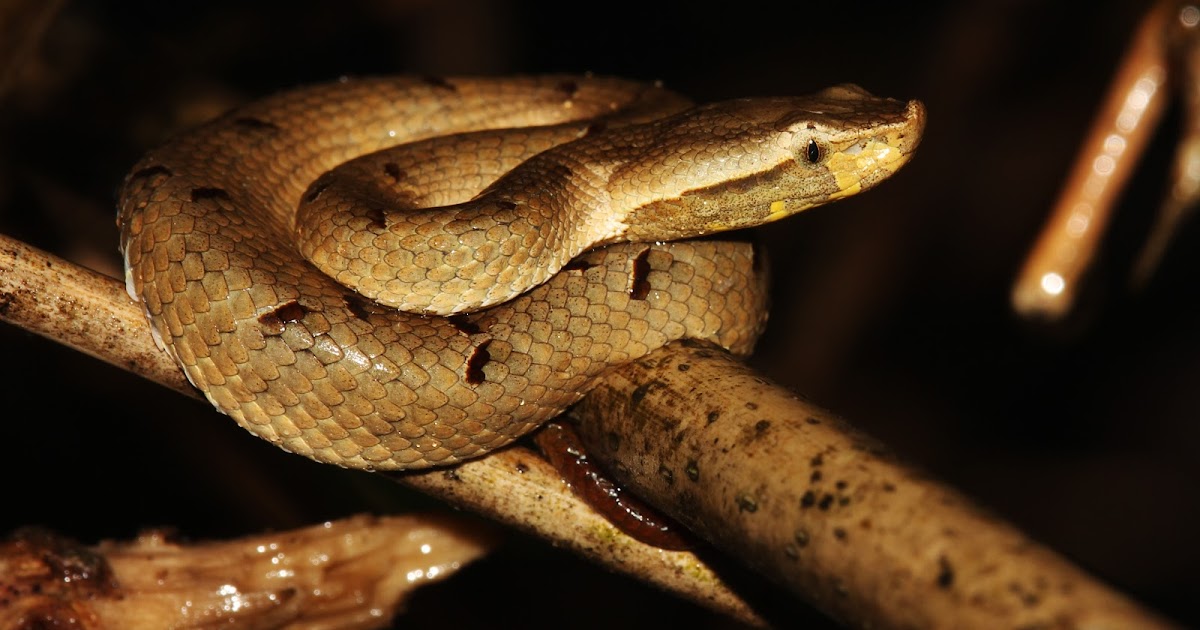

Chronic health manifestations following hump-nosed pit viper (Hypnale spp.) bites: an authenticated case series
Background
Hump-nosed pit vipers (genus Hypnale) are the most common cause of venomous snakebites in Sri Lanka, accounting for more than one-third of all snakebites, as they are widely distributed throughout the country. It is a highly medically important snake in Sri Lanka. Even though several life-threatening complications, including venom-induced consumption coagulopathy, acute kidney injury, venom-induced thrombotic microangiopathy and cardiac effects, are reported following their bites, no antivenom is currently available for Hypnale – envenomed patients either in Sri Lanka or India. Apart from the acute manifestations of snakebites, chronic health effects have rarely been described in the literature.
Methods
A case series of 11 patients who developed long-term health effects following hump-nosed pit viper bites was prospectively studied at the Teaching Hospital, Ratnapura, Sri Lanka, from June 2015 to May 2021. Data on clinical presentation, examination findings, investigations, management and two-year follow-up were collected.
Results
This case series describes some of the chronic health manifestations following hump-nosed pit viper bites in 11 patients, including chronic kidney disease, fasciotomy-related injuries, musculoskeletal disabilities and pulmonary effects.
Conclusion
Hump-nosed pit viper bites can cause severe long-term sequelae that require follow-up. Physicians should be aware of these manifestations when managing patients and this case series highlights the need for an effective antivenom for Hypnale bites.