

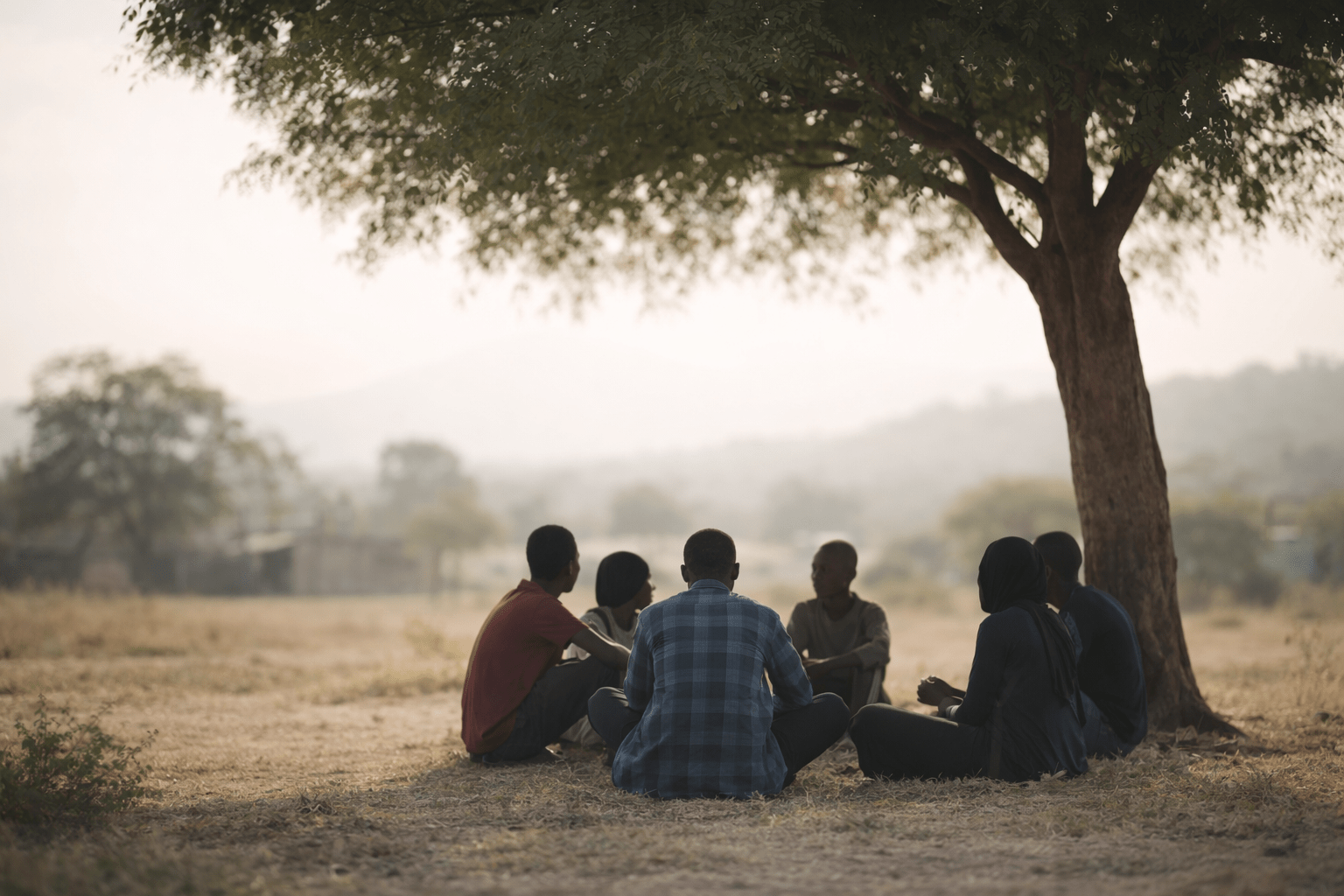
For many young people living with HIV, daily life involves far more than managing a medical condition. Anxiety, low mood, stigma, and isolation often shape how they see themselves, their relationships, and their future. New research from Tanzania shows that peer-led mental health support can play a meaningful role in helping young people cope, while also strengthening those who deliver the support. The findings were published in PLOS Mental Health.
The study examined a programme called Sauti ya Vijana, meaning The Voice of Youth, which trains young adults living with HIV to lead group mental health sessions for their peers. The focus was not only on the young participants receiving support, but on the peer group leaders themselves and how delivering the programme affected their confidence, well-being, and sense of purpose .
Across four regions in Tanzania, 25 peer group leaders took part in in-depth interviews after helping deliver the programme. All were in their twenties and living with HIV themselves. Many described being motivated by personal experience, including memories of friends who had struggled or died, and a desire to prevent others from feeling alone or overwhelmed.
Delivering mental health sessions was widely seen as empowering. Peer leaders reported increased confidence, better communication skills, and a stronger belief in their own future. Several said the training helped them understand how thoughts, emotions, and behaviour are connected, skills they began using in their own lives and relationships. For some, the work reduced feelings of shame and isolation linked to their HIV status.
At the same time, the role carried emotional weight. Listening to young people describe trauma, stigma, and fear sometimes resurfaced painful memories for the peer leaders themselves. Managing this emotional strain required support from colleagues and supervisors, highlighting that peer-led mental health work still needs strong oversight and care for those delivering it.
Community reactions to the peer leaders were mixed. Some experienced greater respect and were seen as role models or informal health workers. Others faced gossip, misunderstanding, or strained friendships due to time commitments and assumptions about mental health. These varied responses reflected the broader stigma that still surrounds both HIV and mental health in many communities.
The study also highlighted practical challenges. Peer leaders spoke about financial pressure, rising living costs, and uncertainty about future employment once the programme ends. While the role provided income and valuable experience, many worried about what would happen when they aged out of eligibility or funding ran out. Concerns were also raised about workload, supervision delivered remotely, and the difficulty of maintaining professional boundaries with young people in distress.
Despite these challenges, peer leaders strongly supported expanding peer-led mental health programmes. They argued that shared experience builds trust, encourages openness, and reaches young people who might otherwise avoid formal services. In a country with very few mental health professionals, peer support was seen as a realistic and culturally grounded way to bridge gaps in care.
The findings suggest that peer-led mental health interventions can benefit both those receiving support and those delivering it, provided peer leaders are properly trained, supported, and fairly compensated. As Tanzania and similar countries look for ways to address youth mental health and HIV together, the voices of peer leaders offer important lessons about sustainability, care, and shared resilience.