

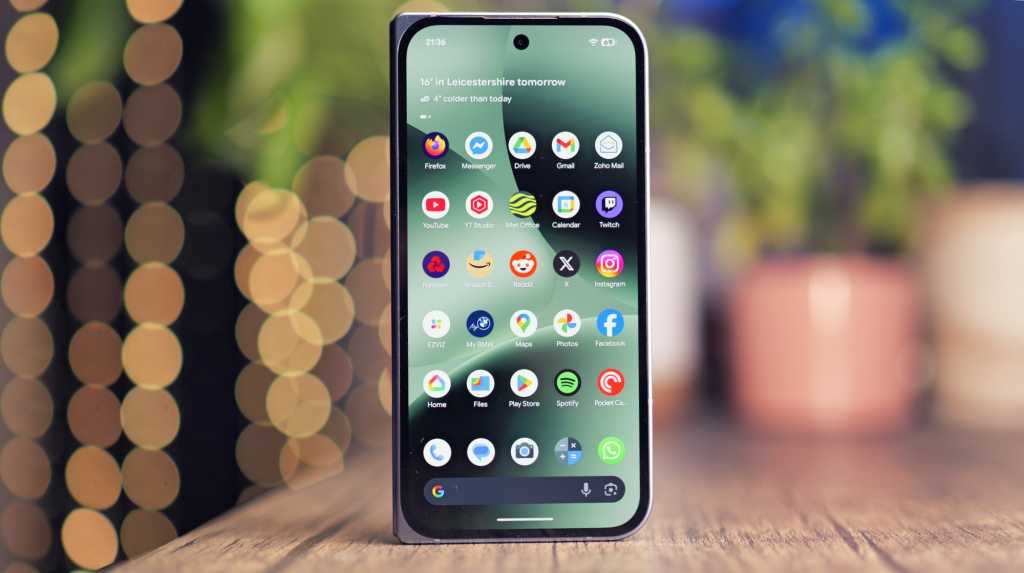
Android is almost two decades old, but it still suffers from the same big problem.
While the latest version, Android 16, is available on all supported Google Pixel phones and many of the other best phones around, its rollout to older handsets continues at a glacial pace.
The latest distribution figures are an all-too-familiar reminder of this. According to a 9to5Google report, Android 16 is currently installed on a measly 7.5 percent of all Android devices. You could forgive a new operating system for this, but Android 16 launched back in June of last year!
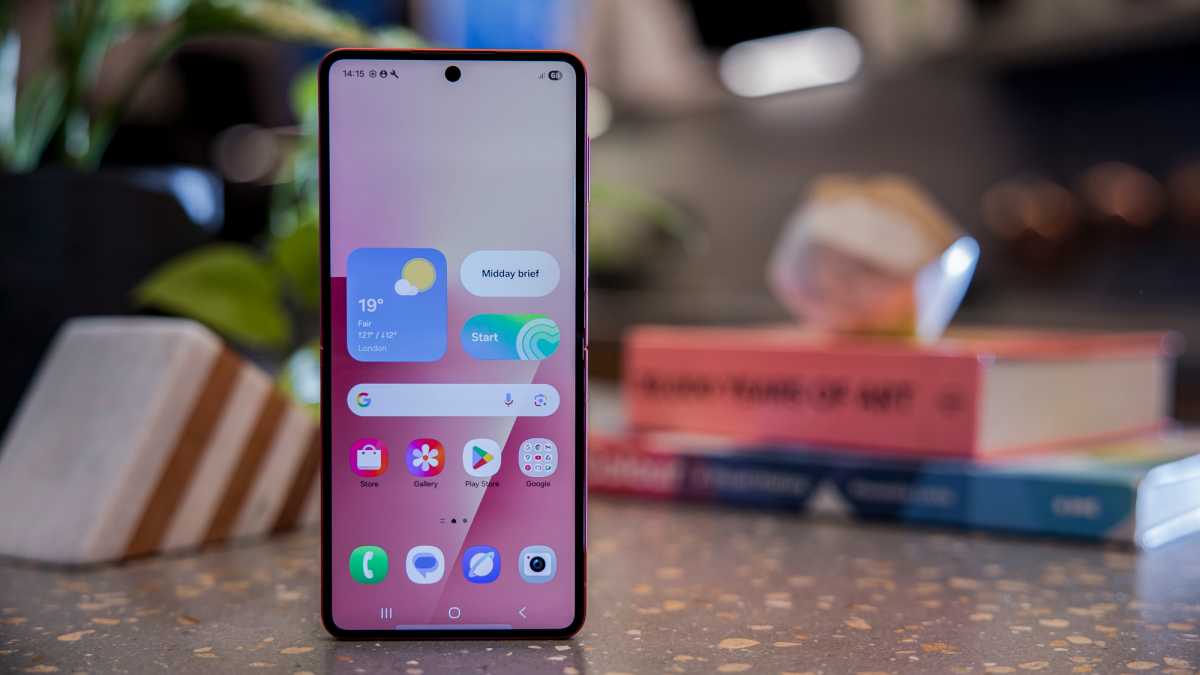
Incredibly, this is a big improvement from April 2025, when Android 15 could only be found on a dismal 4.5 percent of all handsets. A major part of this was the incredibly slow rollout of Samsung’s Android 15 skin (One UI 7) to previous-gen Galaxy phones, which hadn’t even begun at the time.
Dominik Tomaszewski / Foundry
Despite the improvement, it’s a world away from the iPhone, where iOS 26 is installed on close to 30 percent of supported devices (per StatCounter). If previous years are anything to go by, you can expect that figure to climb rapidly in the coming months.
Of course, it’s unfair to expect an operating system that’s fragmented across dozens of different manufacturers to compete with one that has a single source for all hardware and software.
But it’s not about Android 16 trying to ‘beat’ iOS 26. The limited uptake has a huge impact on current Android phone owners, both now and into the future.
Android 17 is coming – but who cares?
Personally, I’m excited for the next major version of Android, which is almost certain to be known as Android 17. But there’s one big reason for that: I’m likely to benefit directly from the new features.
Who can blame you for not getting excited about what Google reveals in its next glossy keynote?
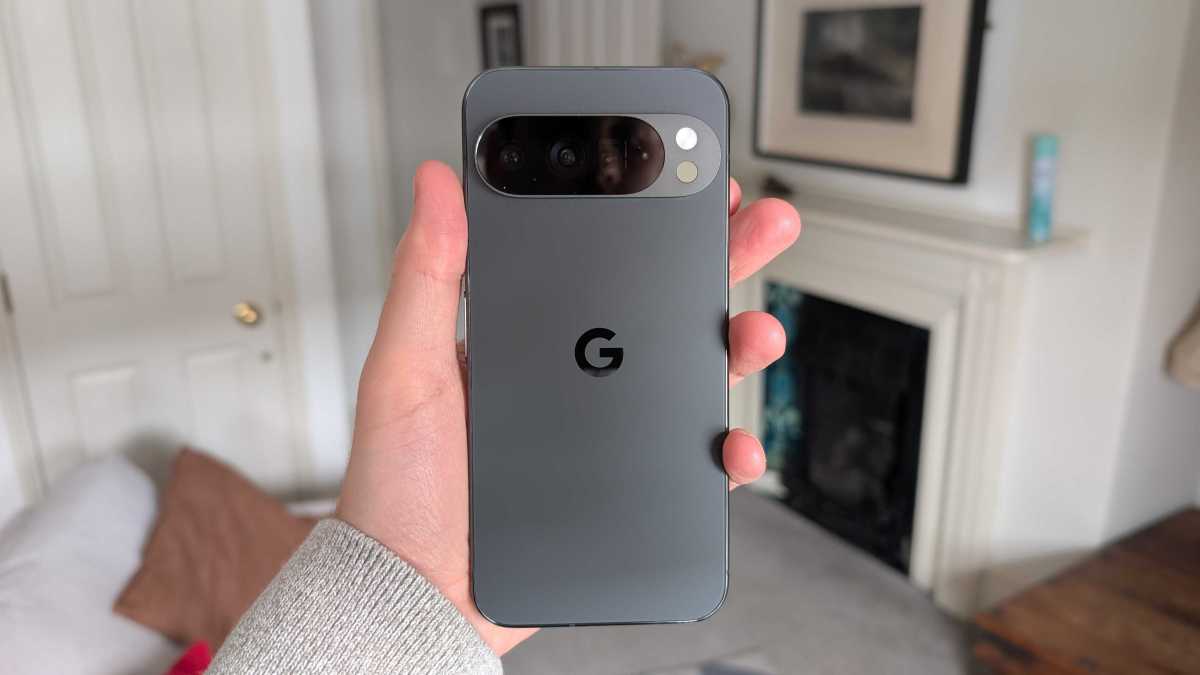
I use Google’s latest Pixel 10 Pro XL as my main smartphone, putting me among the first in line for Android 17 when it drops. I’ll probably even be eligible to try it early via a beta if I want.
Anyron Copeman / Foundry
This is simply not the reality for the vast majority of Android users. Whether you’re using a Samsung, Oppo, Xiaomi, OnePlus, Honor or any other third-party Android phone, you could be waiting months or even years to get Android 17. Who can blame you for not getting excited about what Google reveals in its next glossy keynote?
This is the crux of the issue. Outside of tech circles, very few people care about the new features coming in a major version of Android until it arrives on their phone. Even then, they probably won’t notice unless changes are obvious.
Almost everyone has a phone. But almost no-one cares about interesting phone features that they won’t be able to experience for many months – or perhaps ever.
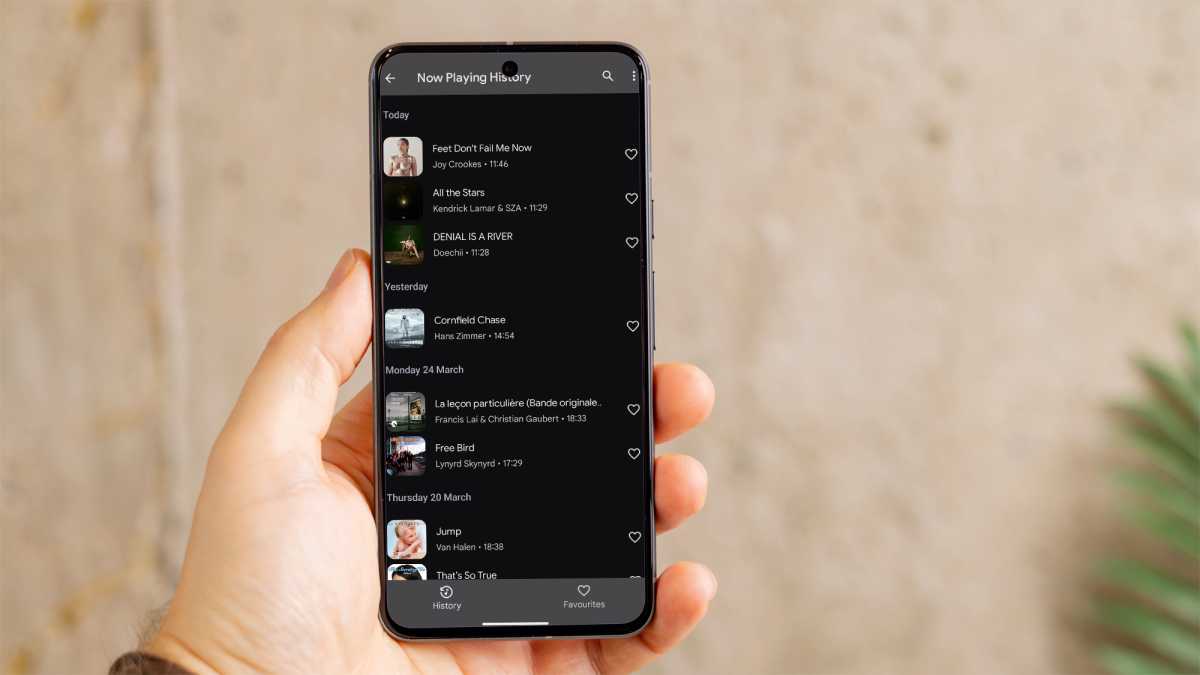
Many of the recent Android features that would make the most difference to users’ lives have been limited to Pixel phones, which account for an estimated 2.24 percent of global market share (according to StatCounter). I’d love my friends and family to be able to use Call Screening, Now Playing, Scam Detection and the Personal Safety app, but very few of them ever will.
Dominik Tomaszewski / Foundry
Increasingly, software updates are all about bug fixes and security instead of new features. But that’s where another major issue arises.
The big unsupported phone issue
The data reported by 9to5Google reveals another problem: the huge fragmentation of Android’s user base. It’s not just that most people are using Android 15 instead of 16 – over 10 percent of devices are running each of the last six major versions, dating back to Android 11 in 2020.
Of course, some of these phones may no longer be in regular use, but there’s still a strong chance that millions of people are using unsupported phones.
You probably don’t need to be told what the risks of this are. An unsupported phone is an insecure phone, without the security patches necessary to mitigate any threats. If your device gets a bug or is infected with malware, there’s no Android update coming to save you.
There’s still a strong chance that millions of people are using unsupported phones
As I explained in my iPhone 4 camera trend article, the only way to use an unsupported phone safely is by not inserting a SIM card and never connecting to the internet. Otherwise, you’re putting your personal and private data at risk of being accessible to hackers. No-one wants that.
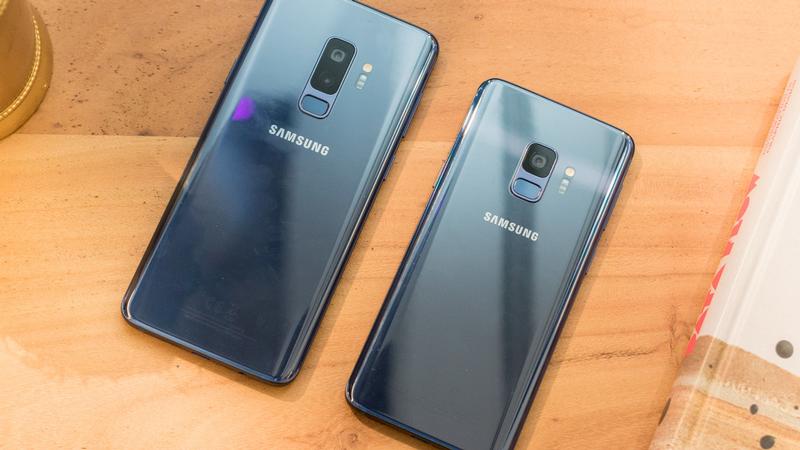
Foundry
Software support varies hugely depending on the Android phone you have, but a simple online search should tell you whether it’s still supported. If not, I’d urge you to buy a budget, mid-range or flagship handset that is.
While Google is ploughing ahead with Android 17 development, many owners of older phones are being left out in the cold. Keeping all of Android’s estimated 3.9 billion users completely safe is impossible, but a functioning, safe phone will always be more important than the latest version.
So, when Android 17 makes its debut, don’t be surprised to see a lukewarm reaction. Many won’t even have Android 16 by then.